When Horses Took Over: The 1894 Manure Crisis That Choked Cities
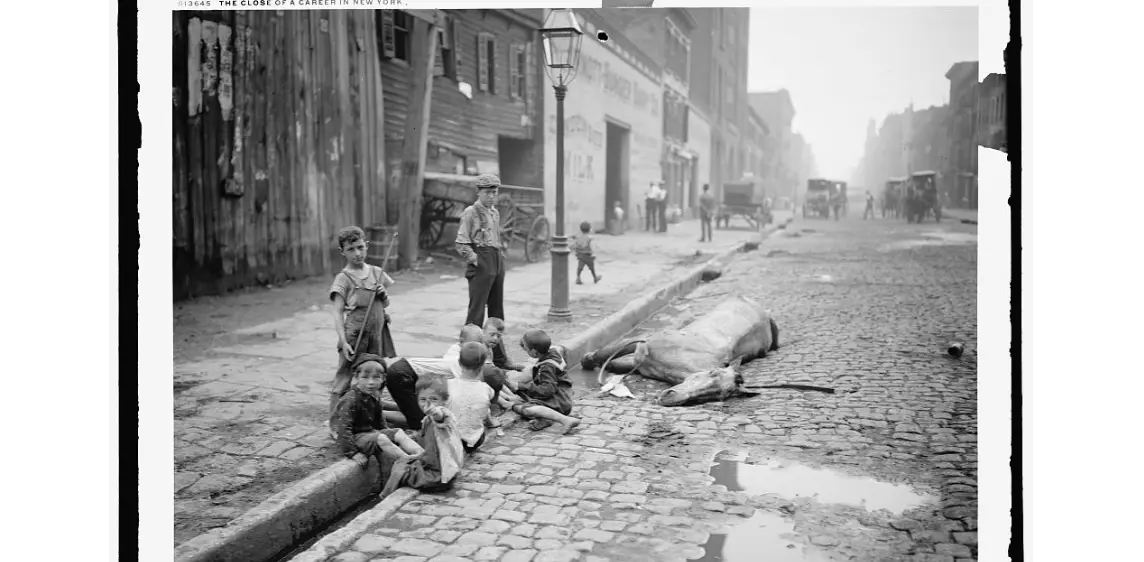
The Manure Problem in Growing Cities
In the late 1800s, cities like New York and Detroit faced a major problem: millions of horses crowded the streets, producing huge amounts of manure and urine. This waste piled up, creating health hazards, bad smells, and filthy conditions that made city life difficult. The manure crisis became such a big issue that experts and politicians had to find solutions while cities kept growing.
Efforts to Manage Waste and Traffic
Cities tried several fixes. Some streets were covered with straw or wooden blocks to cut noise and smell, but these solutions often failed quickly. The removal of manure was slow and sometimes corrupt, with sanitation controlled by powerful political groups demanding bribes. In Detroit, a special department collected manure, but piles still built up, attracting flies and complaints.
- Horse waste was once sold as fertilizer, but growing city size made this impractical.
- Illegal dumping into harbors caused pollution and blocked waterways.
- Some efforts converted manure into gas for energy, but costs were high.
- Corruption slowed down street cleaning and increased public frustration.
The Shift to Automobiles
The arrival of electric subway cars and automobiles gradually ended the manure crisis. As cars replaced horses, waste problems decreased and cities became cleaner. This change also affected the horse market, with many horses sold off or retired. One city official even led a determined clean-up effort, improving sanitation and organizing trash collection, but the real change came with new transportation technologies.
The manure crisis shows how urban growth can create unexpected problems. It also highlights the challenges of managing public health and infrastructure in crowded cities. The story reminds us that new technology can solve old problems, but sometimes only after tough times and failed attempts. Learning about this chapter in city history gives perspective on urban planning and sanitation today.
See more of this story at Michigan4You.com.


Comments
Post a Comment