History of Ovid Michigan – Vibrant Journey of Railroads, Industry, and Community (1890–1940)
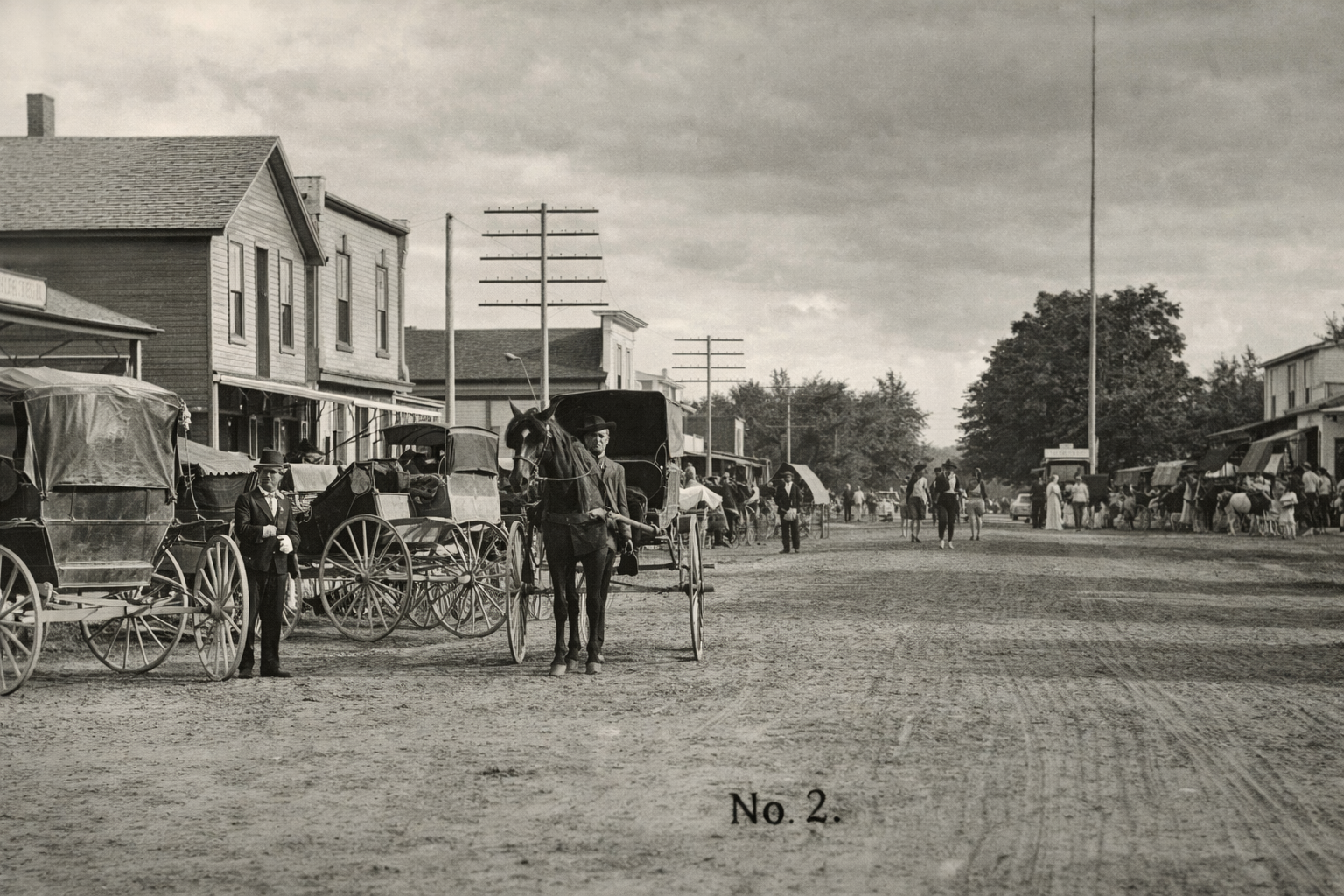
This summary covers the history of Ovid, Michigan, from 1890 to 1940, focusing on how railroads, local industries, and community life shaped the town’s development. Once a small farming village, Ovid grew into a key agricultural and industrial center during this period.
Railroads and Growth
The Grand Trunk Western Railroad ran through Ovid, making it an important stop on the Detroit to Grand Rapids route. This rail connection allowed farmers and manufacturers to ship goods efficiently and brought travelers and salesmen into town. The railroad was central to Ovid’s expansion and economic activity.
Local Industries
Ovid supported a variety of businesses tied to agriculture and manufacturing. Some key enterprises included:
- Ovid Roller Mills, which processed grain using modern steel rollers and shipped flour by rail.
- Michigan Produce Company Elevator, a large grain storage facility that prepared and loaded crops for shipment.
- Clinton Cider Company, which turned local apples into cider and vinegar, supporting apple growers and seasonal workers.
- Schafield & Danforth Carriage Works, known for making quality horse-drawn buggies before cars became widespread.
Community and Infrastructure
Ovid was ahead of many rural towns by establishing its own electric light and water systems by the early 1900s. This brought electric streetlights, running water, and improved fire protection. Social spots like the Life Saver Inn became local gathering places for travelers and residents alike. Churches, schools, and fraternal organizations also played big roles in community life.
Challenges and Legacy
The 1920s farm recession and the Great Depression slowed growth and changed Ovid’s economy. Some businesses closed or adapted while the railroad reduced service. Despite hardships, local groups supported the community through tough times. Today, many historic buildings remain, capturing the spirit of Ovid’s busy early years.
Key points to remember about Ovid’s history:
- Railroads connected Ovid to larger markets and helped its industries grow.
- Agricultural processing and manufacturing formed the town’s economic base.
- Early electric and water utilities improved residents’ quality of life.
- Community institutions created a strong social fabric despite economic challenges.
- Many historic sites still reflect Ovid’s prosperous past.
Understanding Ovid’s history helps show how small towns developed through local effort and important transportation links. It also reveals how communities adjusted to changing times and economies while keeping their identity alive. The story of Ovid offers a clear example of midwestern American life in the early 20th century.
See more of this story at Michigan4You.com.


Comments
Post a Comment