Alexander Henry: Fur Trader, Pirate, and Legend of the Upper Great Lakes
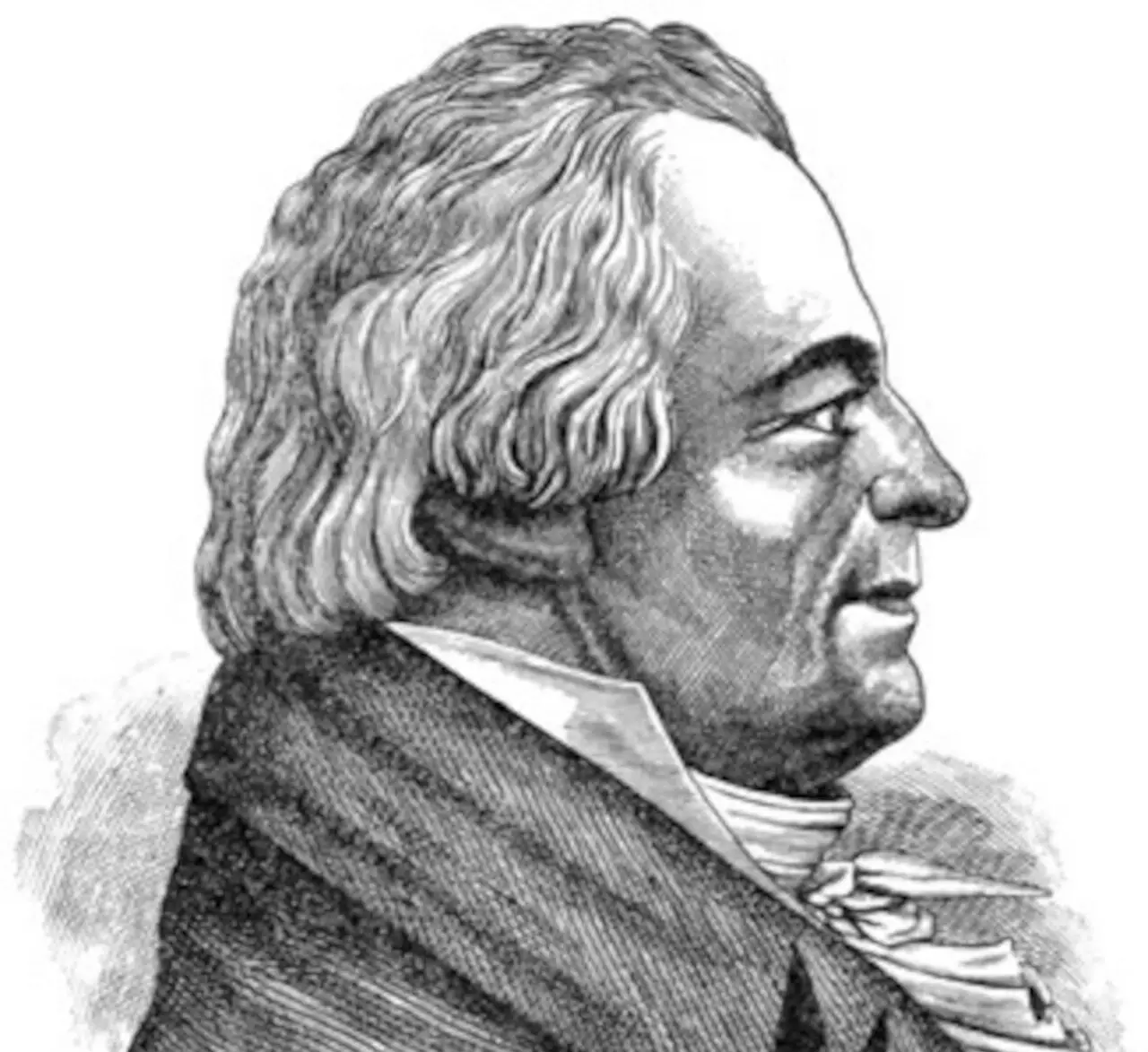
Alexander Henry was a fur trader and merchant who played a unique role in the Upper Great Lakes region during the 18th century. From supplying British troops to living among Native American tribes, his life covers a fascinating mix of commerce, conflict, and survival.
Early Trade and Supplies

Starting as a young merchant, Henry managed supply boats for the British Army during its campaign in Canada. He operated a shop in Albany and profited by selling goods to the troops while navigating a dangerous environment. After the British took control of Montreal, Henry ventured into the fur trade, gaining permission to trade around Lake Superior and Michilimackinac.
Life Among the Indigenous Peoples

Henry spent about a year living with Chief Wawatam and his family after the British fort at Michilimackinac was overtaken by Ojibwa warriors. Wawatam became his protector and adopted him as a brother. During this time, Henry traveled with the tribe to hunting and trading areas, gaining knowledge of the land and local customs.
Trading Ventures and Piracy

Henry partnered with others to mine copper near Lake Superior but eventually returned to fur trading. He organized a raiding expedition into Hudson Bay territory, where he traded and sometimes took furs from the Hudson's Bay Company employees. This risky move brought him wealth and a reputation as a fur trading pirate.
Key Points About Alexander Henry
- He was one of the first English fur traders in Michigan’s interior.
- Chief Wawatam saved his life multiple times and became a close ally.
- He combined trading, mining, and even piracy in his career.
- Henry later wrote a detailed account of his experiences and Indian life.
- His story helps us understand the complex relationships in the Great Lakes area during the 18th century.
Alexander Henry's life shows how trade, culture, and conflict shaped early Great Lakes history. His efforts to work with both Native Americans and European powers reveal the challenges of that era. Henry’s story is a window into a time when the region was a meeting point of different worlds. His writings remain an important source on fur trade and indigenous life in the 1700s.
See more of this story at Michigan4You.com.


Comments
Post a Comment